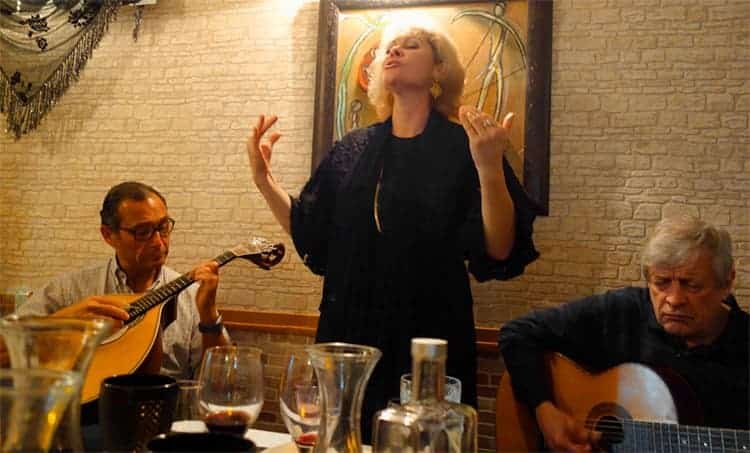
Lisbon whispers tales through its cobblestone streets, but few experiences resonate as deeply as combining a traditional Portuguese meal with the melancholic soul of fado music. For those seeking to truly taste and feel the city's heritage, finding the right traditional Lisbon restaurants fado music isn't just about dinner; it's about a cultural immersion, an evening where authentic cuisine meets heartfelt song in an unforgettable embrace. This isn't just a meal; it's a journey into the very heart of Lusitanian saudade.
At a Glance: Your Guide to Fado & Feasting
- Understanding the Fado Experience: Learn what to expect from a traditional fado performance, from its origins to its emotional delivery.
- Choosing the Right Venue: Discover the nuances between formal Casas de Fado and more intimate tascas offering fado.
- Navigating the Cuisine: Pair your fado evening with truly authentic Portuguese dishes, beyond the tourist traps.
- Etiquette for an Authentic Night: Understand the unspoken rules to fully appreciate the music and respect the performers.
- Booking & Budget Insights: Practical tips for securing your spot and managing costs for a memorable evening.
The Soulful Duet: Fado and Portugal's Plate
Fado, recognized by UNESCO as a World Intangible Cultural Heritage, is more than just music; it's the voice of Lisbon. It speaks of love, loss, longing, and the everyday struggles and joys of life, often performed with such raw emotion that it transcends language barriers. When performed in a setting where traditional Portuguese food is served, the two elements coalesce, creating an evening that satisfies both the palate and the soul. This unique blend is what sets the traditional Lisbon restaurants fado music scene apart.
Think of it as the city’s heart beating to a rhythm you can taste. The robust flavors of slow-cooked meats, the delicate freshness of seafood, and the comforting textures of traditional desserts often enhance the emotional depth of the fado performance. It's a multisensory experience that connects you directly to the country's past and present.
Deciphering the Fado Restaurant Landscape
Not all fado experiences are created equal, and understanding the different types of venues is crucial for choosing the right atmosphere for your evening.
Formal Casas de Fado: The Grand Experience
These are the quintessential fado houses, often located in historic neighborhoods like Alfama, Mouraria, or Bairro Alto. They are typically dedicated establishments where fado is the primary draw, and dining is an integral part of the show.
- Expectations: A more structured evening, often with set menus or a minimum spend, and multiple rounds of performers throughout the night. The lighting is usually dim, designed to focus attention on the fadistas (fado singers) and musicians.
- Atmosphere: Reverent and formal. During performances, conversation is hushed, and diners are expected to listen respectfully. This is where you'll hear some of the most accomplished and well-known fadistas.
- Cuisine Focus: While the fado is the star, the food in these establishments often maintains a high standard of traditional Portuguese cuisine. You'll find classics like Bacalhau à Brás (shredded cod with onions, potatoes, and scrambled eggs), Polvo à Lagareiro (octopus with punch potatoes), or rich stews. The focus is on traditional dishes prepared with care. For a deeper dive into the breadth of traditional Portuguese offerings, you might want to Savor Lisbon's traditional cuisine more broadly.
- Price Point: Generally higher, reflecting the quality of both the entertainment and the meal. This is an investment in a cultural evening.
Informal Tascas or Restaurants with Occasional Fado
These are more casual eateries where fado might be performed a few nights a week, or sometimes spontaneously. They offer a more relaxed, neighborhood feel.
- Expectations: Less structured, often with a lively buzz even during performances. The fado here might be by local, emerging artists, or even impromptu sessions.
- Atmosphere: Cozier, more intimate, and often louder. It feels more like dining among locals, with fado as an added bonus rather than the sole purpose of the evening.
- Cuisine Focus: Authentic, home-style cooking at more accessible prices. Think generous portions of grilled fish and meats, daily specials, and robust local wines. The emphasis here is often on delicious, unpretentious food that evokes a feeling of dining in a Portuguese home.
- Price Point: More budget-friendly, making it a great option for those who want to experience fado without the higher cost of a formal fado house.
Case Snippet: While Lisboa à Noite is noted as "previously a fado house," preserving its historical charm with Baroque-style tile panels and horse rings, it now blends traditional and contemporary Portuguese cuisine. This illustrates how even establishments with a fado past retain that cultural connection, offering a beautiful setting for special dinners that evoke the spirit of Lisbon's traditions, even if live fado isn't currently performed. This history contributes to the deep cultural atmosphere intrinsic to many of Lisbon's best traditional dining spots.
Crafting Your Fado & Dining Experience: A Practical Playbook
Choosing the right traditional Lisbon restaurants fado music spot requires a bit of planning to ensure an authentic and enjoyable evening.
Step 1: Define Your Desired Atmosphere
Do you seek the solemn reverence of a Casa de Fado or the lively camaraderie of a local tasca? Your preference will significantly narrow down your options. If it's your first time, a formal Casa de Fado offers a classic introduction, but a tasca can provide a more raw, intimate glimpse into the local fado scene.
Step 2: Research Specific Venues
Look for recommendations from trusted sources, local guides, or hotel concierges. Online reviews can also be helpful, but be aware that some highly-rated tourist spots might offer a "packaged" fado experience that lacks true authenticity. Prioritize venues known for their commitment to traditional fado and genuine Portuguese cuisine.
Step 3: Understand Booking & Pricing
- Reservations are crucial: Especially for formal Casas de Fado. These places fill up quickly, often weeks in advance. Call ahead or book online.
- Set Menus vs. À la Carte: Many fado houses offer a set menu (sometimes including drinks) with a fixed price, which can be a good value. Others might have a cover charge for the fado itself, or a minimum spend on food and drinks. Clarify these details when booking to avoid surprises.
- Budgeting: Expect to pay anywhere from €40-€80+ per person for a full experience at a formal Casa de Fado, including food, drinks, and the show. Tascas with fado might range from €25-€50 per person.
Step 4: Master the Art of Listening (Fado Etiquette)
Fado is deeply personal and emotional for both the singer and the audience.
- Silence is Golden: When the lights dim and the fadista begins to sing, a respectful silence falls over the room. This is the most critical rule. Avoid talking, clinking glasses, or excessive movement during performances.
- No Photography (Often): Some venues discourage or prohibit flash photography during performances as it can disrupt the mood and distract the artists. Always check or ask beforehand.
- Appreciation: A quiet clap or "Muito bem!" (very good!) after a performance is appropriate. Overly loud applause or whistling is generally not.
Step 5: Embrace the Cuisine
While fado is the star, the food anchors the experience. Lean into traditional Portuguese dishes.
- Starter Selection: Queijo (cheese), presunto (cured ham), or azeitonas (olives) are perfect to nibble on. Many places offer Pão com Manteiga e Paté de Sardinha (bread with butter and sardine paste) as a quintessential starter.
- Main Courses: Opt for codfish dishes like Bacalhau com Natas (cod with cream) or Bacalhau à Lagareiro. Grilled fish, especially sardines in season, or rich meat stews like Cozido à Portuguesa are excellent choices.
- Wine Pairing: Portuguese wines, particularly from the Douro or Alentejo regions, pair beautifully with the robust flavors. Don't shy away from asking for recommendations from your server.
- Dessert: Finish with a classic Pastel de Nata (custard tart) or Arroz Doce (rice pudding).
Quick Answers: Common Questions & Misconceptions
Is fado only performed late at night?
Typically, fado shows start after dinner, usually around 8:00 PM or 9:00 PM, and can continue late into the evening, often with multiple sets. Dinner service usually precedes or runs concurrently with the first performances.
Do all traditional Portuguese restaurants offer fado?
No, absolutely not. Many excellent traditional restaurants, like A Taberna da Rua das Flores or Solar dos Presuntos, focus solely on the culinary experience without fado. The traditional Lisbon restaurants fado music combination is a specific niche. Always check the venue's offerings before you go if fado is your priority.
Is fado depressing?
Fado is often described as melancholic or wistful, expressing saudade – a deep sense of longing or nostalgia. While it can be sad, it's also incredibly beautiful, moving, and cathartic. It's about feeling deeply, not necessarily about being depressed. Many fados also tell stories of joy or resilience.
Are fado restaurants usually tourist traps?
While some establishments might cater purely to tourists with less authentic experiences, many traditional Lisbon restaurants fado music venues are deeply rooted in local culture and pride themselves on genuine fado and quality food. Research and choose wisely to avoid potential pitfalls. A good sign of authenticity is the presence of local patrons or recommendations from trustworthy Lisbon residents.
Can I just go for drinks and fado, skipping dinner?
Some larger Casas de Fado might allow this, often with a higher cover charge for just the show and a drink. However, many traditional fado restaurants expect diners to have a meal, as the food and music are considered an integrated experience. It's always best to inquire when booking.
Your Actionable Close: Securing an Unforgettable Fado Night
To ensure your experience at one of Lisbon's traditional Lisbon restaurants fado music venues is truly memorable, begin by asking yourself: What kind of atmosphere am I craving tonight?
- For a classic, reverent experience: Research reputable Casas de Fado in Alfama or Bairro Alto known for their established performers and quality cuisine. Book well in advance and prepare for a slightly higher price point. Embrace the silence during performances.
- For a more casual, local vibe: Seek out smaller tascas or restaurants in neighborhoods like Mouraria that advertise fado nights a few times a week. These might offer a more spontaneous feel and often come with more budget-friendly, home-style cooking.
- Regardless of your choice: Arrive with an open heart and an appreciation for the cultural depth you're about to encounter. Engage with the traditional Portuguese cuisine, choose a local wine, and allow the haunting beauty of fado to transport you. It’s an evening that encapsulates the very spirit of Lisbon – a city of contrasts, passion, and enduring tradition.