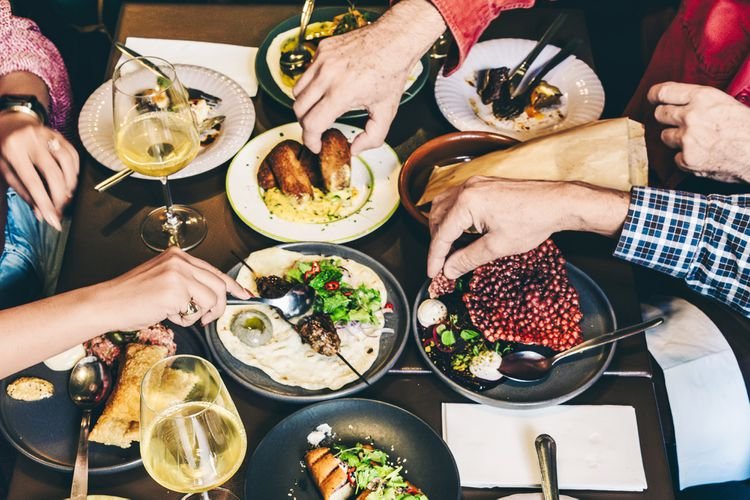
Stepping into a local tasca in Lisbon's bustling city center is like receiving an invitation to the true heart of Portuguese culinary tradition. Forget the glossy menus and tourist traps; here, you're not just eating a meal, you're participating in a daily ritual where authentic flavors, generous portions, and heartwarming hospitality converge at prices that genuinely surprise. These unassuming eateries are where locals gather, sharing stories over hearty, home-cooked dishes that have been perfected through generations. If you're looking to truly taste Lisbon without breaking the bank, understanding and embracing the tasca culture is your first, best step.
At a Glance: Your Tasca Toolkit
- Spot Authenticity: Learn to identify genuine tascas by looking for local patrons, handwritten menus, and daily specials.
- Decipher the Menu: Understand 'couverts' (charged appetizers) and portion sizes ('1/2 dose' often feeds one person generously).
- Savor Portuguese Staples: Discover must-try dishes like Bifanas, Bacalhau à Brás, and Frango no Churrasco.
- Navigate Locations: Find recommended tascas within Lisbon's core areas like Baixa Chiado, Mouraria, and Bairro Alto.
- Dine Smart: Get tips on payment (cash often preferred), ordering, and embracing the local pace.
What Exactly is a "Tasca" Anyway?
In Lisbon, a tasca (sometimes called a cantina) is more than just a restaurant; it's a culinary institution, typically a family-run, no-frills establishment offering traditional Portuguese fare at remarkably reasonable prices. Think of it as your Portuguese grandmother's kitchen, if she ran a small, bustling eatery. The focus is squarely on simple, flavorful food, often prepared using recipes passed down through generations. You won't find fancy decor or elaborate presentations here; instead, expect genuine warmth, a lively atmosphere, and a taste of local life.
These spots are characterized by their daily specials, often chalked up on a blackboard or a whiteboard, reflecting whatever fresh ingredients were available that morning. The menu might even be printed directly onto your paper tablecloth. Portions are famously generous: a "1 dose" (full portion) can often comfortably serve two people, while a "1/2 dose" (half portion) is usually sufficient for one hungry diner.
Navigating the Tasca Landscape: How to Spot a Gem (and Avoid the Traps)
Finding an authentic tasca amidst Lisbon's myriad dining options requires a keen eye. While the city center is brimming with choices, not all offer the genuine, local experience you're seeking.
Red Flags: Signs of a Tourist Trap
To ensure you're stepping into a true tasca, watch out for these common indicators of establishments catering primarily to visitors:
- Street Hawkers: If someone is actively trying to pull you in from the street, it's usually a sign to keep walking.
- Picture Menus: While sometimes practical, large menus with glossy photos of every dish can suggest a lack of local trust and an emphasis on quick turnover.
- Multi-Language Menus (Especially Many): A menu in half a dozen languages without any Portuguese daily specials points to a tourist-centric approach.
- Explicit "Typical Portuguese Food" Advertising: Genuine tascas don't need to loudly proclaim their authenticity; their local clientele does it for them.
Green Lights: Identifying a True Tasca
Instead, look for these promising signs:
- Local Patrons: A restaurant filled with Portuguese speakers, especially during lunch hours, is a strong indicator of authenticity.
- Handwritten or Chalkboard Menus: Daily specials (often called Prato do Dia or Ementa do Dia) written on a chalkboard outside or inside are a hallmark of fresh, seasonal offerings.
- Simple, Unpretentious Decor: Don't expect lavish interiors. Exposed brick, tiled walls, simple wooden tables, and a bustling, slightly noisy ambiance are typical.
- No Rush, No Fuss: The staff might not speak fluent English, but they'll likely be friendly and efficient. Be prepared for a relaxed pace.
- Online Reviews: A quick check on platforms like Google or TripAdvisor for recent reviews can confirm if a place is beloved by locals.
The Couvert Conundrum: What to Expect on Your Table
One important detail for tasca dining is the couvert. These are small appetizers—typically bread, olives, cheese, butter, or a sardine spread—placed on your table as soon as you sit down. Crucially, they are not complimentary. Each item is charged separately.
Your Actionable Tip: If you don't want the couvert, simply say "Não, obrigado/a" (No, thank you) when the items are presented, or politely push them aside. The staff will understand and remove them from your bill. If you do eat them, they'll be added to your total, usually for a few euros. This isn't a scam; it's a long-standing tradition.
Portion Wisdom: Ordering Just Right
Remember the "1/2 dose" versus "1 dose" distinction. A "1/2 dose" is generally ample for one person, often more than enough. A "1 dose" is usually intended for two people to share. When in doubt, start with a "1/2 dose," and you can always order more if you're still hungry!
Your Go-To Guide: Top Local Tascas in Lisbon City Center
Ready to dive in? Here's a curated list of fantastic local tascas, primarily under €15-€20 per person, located conveniently in Lisbon's city center and surrounding vibrant neighborhoods. These are the places where authentic flavors truly shine.
Baixa Chiado & Nearby Gems
The heart of downtown Lisbon offers several standout options for traditional tasca dining.
- A Licorista e o Bacalhoeiro: Nestled in Baixa Chiado, this spot specializes in traditional cuisine with most dishes under €15. Don't miss their Bacalhau à Brás (€13) or Arroz de Polvo (€14). Their Pastéis de Bacalhau (€3) are also a perfect starter.
- Open: Mon-Sat, 12 pm-3 pm & 7 pm-11 pm.
- A Provinciana: A quintessential tasca experience in Baixa Chiado. Known for offering a complete Portuguese menu (soup, hearty main, drink, coffee) for less than €15. If you're adventurous, they might feature Arroz de Cabidela (chicken blood rice). Expect queues, a testament to its popularity!
- Open: Mon-Sat, 12 pm-3:30 pm & 7 pm-10 pm.
- Super Mário: Also in Baixa Chiado, Super Mário is a local favorite. Famous for its delicious carrot rice and tomato rice, often served with main dishes like Polvo a Lagareiro (octopus with garlic and olive oil). You can expect to dine well with house wine and dessert for around €15 per person.
- Open: Mon-Sat, 12 pm-10:30 pm.
Mouraria & Martim Moniz: Historic Flavor Hubs
These historic, multicultural neighborhoods are treasure troves of genuine tascas.
- Zé dos Cornos: Highly recommended in Mouraria/Martim Moniz, this spot is celebrated for its incredible pork ribs. They also feature daily specials like Feijoada a Transmontana or Arroz de Pato. Dishes generally range from €8 to €16.
- Open: Tue-Thu, 12 pm-4 pm; Fri-Sat, 11:45 am-4 pm & 7 pm-10 pm.
- Cerqueira Restaurant: Located in Martim Moniz, Cerqueira is a fantastic choice for affordable fish dishes. You can find options like dorado or swordfish (espada) priced from €10 to €14. A true taste of the sea without the high cost.
- Open: Mon-Fri, 6 pm-11 pm; Sat-Sun, 12 pm-3 pm & 6 pm-11 pm.
- Aviz: Also in Mouraria, Aviz offers a delightful array of grilled chicken, grilled fish, lulas (calamari), and sardines. Don't miss their homemade fries and traditional Portuguese stews. Half portions are often under €10, with full portions just €3-€4 more.
- Open: Sun-Fri, 8 am-10 pm.
Bairro Alto: Beyond the Nightlife
Even in the lively Bairro Alto, you can find authentic tascas if you know where to look.
- O Trevo: A simple, unpretentious spot in Bairro Alto serving tasty classics. Famous for its Bifanas (pork sandwich marinated in garlic, bay leaves, white wine) for around €4 – a perfect quick bite. They also offer hearty dishes like cozido à portuguesa and frango no churrasco.
- Open: Mon-Sat, 7 am-10:30 pm.
Avenida da Liberdade & Principe Real: Central and Chic
Even near Lisbon's grandest avenue, tasca charm persists.
- O Cartaxinho: Close to Avenida da Liberdade, O Cartaxinho is a go-to for traditional Portuguese dishes like Carne Alentejana (pork and clams). Average dish prices hover around €10, making it an excellent value for its central location.
- Open: Sun-Fri, 12 pm-10:30 pm.
- Frangasqueira Nacional: In Principe Real, this spot is a must for grilled chicken enthusiasts. They specialize in marinated whole grilled chickens (with piri-piri sauce) served with composed salads. A whole chicken is just €10. Seating is limited, with a few outdoor tables, but it's perfect for a casual, delicious meal or takeaway.
- Open: Mon, Thu-Sat, 6:30 pm-10 pm.
Alfama & Graça: Old-World Charm
These older, hillier districts are renowned for their traditional feel.
- Maçã Verde: Considered one of Alfama's best tascas, offering authentic and inexpensive Portuguese fare in a charming, historic setting.
- Satélite: Overlooking Graça plaza, Satélite is a traditional Portuguese restaurant known for its home-cooked fare. Expect generous portions of dishes like grilled robalo (sea bass) and pork steaks at very reasonable prices.
Santos & São Sebastião: Further Afield, Still Authentic
A bit outside the absolute core, but still highly accessible and worth the short journey.
- A Merendeira: In Santos, this Portuguese snack bar offers an incredible €6.30 menu that includes caldo verde (kale soup), pão com chorizo (wood-fired bread with sausage), a drink, rice pudding, and coffee. Note: it's cash only!
- Open: Daily, 11 am-7 am. (Yes, it opens early and stays open late!)
- Oásis: For those seeking a budget-friendly vegetarian option, Oásis in São Sebastião is a great choice. It features a rotating menu of daily specials, proving that tasca charm isn't limited to meat and fish.
Decoding the Tasca Menu: Portuguese Dishes to Savor
To truly enjoy your tasca experience, it helps to know a few key dishes you might encounter:
- Bifanas: A quintessential Lisbon sandwich. Thin slices of pork, marinated in garlic, bay leaves, and white wine, then quickly fried and served in a simple bread roll. Perfect for a quick, flavorful bite.
- Bacalhau à Brás: One of the most popular codfish dishes. Shredded codfish, onions, thinly chopped fried potatoes, and scrambled eggs, often garnished with black olives and parsley. Comfort food at its best.
- Carne de Porco à Alentejana: A delicious surf-and-turf from the Alentejo region. Pork cubes marinated and fried, combined with clams, potatoes, and often cilantro.
- Polvo à Lagareiro: Roasted octopus, incredibly tender, served with "batatas a murro" (punched potatoes, roasted with their skin) and drenched in olive oil and garlic.
- Frango no Churrasco (com Piri-Piri): Grilled chicken, often marinated and served with a spicy piri-piri sauce. Simple, juicy, and incredibly satisfying, especially with homemade fries.
- Cozido à Portuguesa: A hearty, traditional Portuguese stew. A rich medley of various meats (pork, beef, chicken, sausages), vegetables (cabbage, carrots, potatoes), and sometimes rice, all slow-cooked together.
- Arroz de Pato: Duck rice. Shredded duck meat baked with rice, often topped with slices of chouriço (sausage) and oven-baked until crispy.
- Pastéis de Bacalhau: Small, deep-fried codfish cakes. Crispy on the outside, soft and savory on the inside. A perfect appetizer.
- Caldo Verde: A classic Portuguese soup. A simple yet flavorful potato-based broth with thinly sliced collard greens and a slice of chouriço.
- Feijoada à Transmontana: A rich bean stew, originating from the Trás-os-Montes region, packed with various types of pork meat and sausages.
The Tasca Experience: Tips for Dining Like a Local
Embracing the local tasca experience goes beyond just knowing what to order. Here are a few insider tips:
Language: A Little Goes a Long Way
While many staff in tourist areas speak some English, don't expect it in every tasca. Learning a few basic Portuguese phrases can enhance your experience and show respect:
- "Olá" (Hello)
- "Obrigado/a" (Thank you - 'o' for men, 'a' for women)
- "Por favor" (Please)
- "A conta, por favor" (The bill, please)
- "Não, obrigado/a" (No, thank you – for the couvert)
- "Uma bica, por favor" (An espresso, please)
- "Uma imperial, por favor" (A small draft beer, please – usually Sagres or Super Bock)
Patience is a Virtue
Service in tascas can sometimes be slower than what you might be used to, especially if they are bustling. This is part of the charm; it's a place to relax and enjoy the moment. Don't expect to be rushed.
Cash is King (Sometimes)
Many smaller, traditional tascas, like A Merendeira, operate on a cash-only basis. While card payments are increasingly common, it's always a good idea to carry some euros, especially smaller denominations, to avoid any awkward situations.
Embrace the Daily Specials
Always look for the "Prato do Dia" or "Ementa do Dia." These daily specials are typically the freshest, most authentic, and often the best value dishes on offer. They reflect what's seasonal and what the chef feels like cooking that day.
Don't Skip the Vinho da Casa
The "Vinho da Casa" (house wine), usually served by the jug or carafe, is often incredibly good and exceptionally inexpensive. It's usually a simple, unpretentious wine that pairs perfectly with the hearty tasca food.
For a broader perspective on Lisbon's diverse yet budget-friendly culinary scene, check out our comprehensive guide on Lisbon's affordable local dining. You'll find more insights into how locals navigate the city's eateries to ensure a delicious and economical experience.
Quick Answers: Your Tasca FAQs
Here are quick answers to some common questions about dining in Lisbon's tascas.
Q: Are tascas vegetarian-friendly?
A: Historically, tascas are very meat and fish-centric. However, with growing awareness, some (like Oásis mentioned above) offer dedicated vegetarian menus, and most can rustle up a plate of sides (rice, potatoes, salads). Always ask if there's a "prato vegetariano" (vegetarian dish) or "salada" (salad).
Q: Do I need to make reservations for a tasca?
A: Generally, no. Most tascas operate on a first-come, first-served basis. However, popular spots, especially those known for excellent daily specials (like A Provinciana), can develop queues during peak lunch and dinner times. Arriving a bit earlier or later than the standard 1 pm/8 pm rush can help.
Q: How do I know if a tasca is truly local and not just pretending to be?
A: Trust your instincts and look for the "green lights" mentioned earlier: lots of local chatter, handwritten menus, unpretentious decor, and a lack of aggressive touting. Online reviews (Google, TripAdvisor) from local guides or Portuguese speakers can also confirm authenticity. If in doubt, look for other tascas on the same street that seem more bustling with locals.
Q: Can I share a "1/2 dose"?
A: While a "1/2 dose" is usually meant for one person, if you're not very hungry or want to try multiple items, sharing a few "1/2 doses" or a "1 dose" among two people is perfectly acceptable and often encouraged.
Your Tasca Playbook: A Step-by-Step Guide to Authentic Dining
Here's your quick guide to confidently finding and enjoying a local tasca:
- Define Your Area: Decide which neighborhood in the city center you want to explore (e.g., Baixa, Mouraria, Bairro Alto).
- Scout for Green Lights: As you walk, keep an eye out for tell-tale signs: locals chatting, chalkboards with "Prato do Dia," simple, non-flashy exteriors.
- Quick Review Check (Optional): If you have data, a speedy check on Google Maps or TripAdvisor can offer a final assurance based on recent reviews and photos.
- Enter Confidently: Don't be shy! Politely wait to be seated or find an empty table if it's a very casual spot.
- Address the Couvert: Politely decline any unwanted couverts ("Não, obrigado/a").
- Order Wisely: Ask about the "Prato do Dia" or choose from the menu. Remember the "1/2 dose" is usually enough for one.
- Embrace the Experience: Enjoy the bustling atmosphere, the simple yet delicious food, and the sense of being truly immersed in Lisbon's culinary culture.
- Settle Up: Ask for "A conta, por favor" and be prepared for cash, though cards are becoming more common.
Savoring Lisbon, One Tasca at a Time
Dining in the local tascas of Lisbon's city center is an essential part of experiencing the city's soul. It's where the traditions live on, where flavors tell stories, and where every meal feels like a warm embrace. By understanding the etiquette, spotting the genuine gems, and savoring the honest, hearty food, you won't just eat well; you'll connect with Lisbon on a deeper, more authentic level. So go forth, be adventurous, and let the tascas guide you to an unforgettable taste of Portugal.